 By
By Introduction to the World of Casinos
A casino is more than just a place to gamble. It is an environment where entertainment, psychology, culture, and even mathematics converge. Casinos are carefully designed to offer not only games of chance but also memorable experiences. From the dazzling lights of Las Vegas to sophisticated gaming venues in Europe, they serve as hubs of leisure, excitement, and social interaction.
For many, the word casino evokes the glamour of roulette tables, the strategic intensity of poker, and the thrill of hitting the jackpot on a slot machine. But casinos are also economic engines, cultural landmarks, and centres of hospitality that attract millions of visitors every year.
The Origins and Evolution of Casinos
Early Beginnings
The concept of gambling dates back thousands of years, with dice and rudimentary games found in ancient civilisations. The first recognised casino, however, appeared in 17th-century Italy. Known as the Ridotto, this establishment in Venice provided a regulated environment for gambling, setting the foundation for modern casinos.
Expansion Across the Globe
Casinos quickly spread across Europe, each adopting its own style and cultural flavour. In the 19th and 20th centuries, the rise of resorts such as Monte Carlo positioned casinos as exclusive destinations for the wealthy elite. Later, cities like Las Vegas and Macau transformed the industry by creating large-scale entertainment complexes that combined gambling with luxury hotels, fine dining, and live performances.
Types of Casino Games
Casinos thrive on variety, offering games to suit both casual players and high-stakes gamblers. Understanding these categories can enhance the overall experience.
Table Games
-
Blackjack: A game of skill and chance where the aim is to beat the dealer’s hand without going over 21.
-
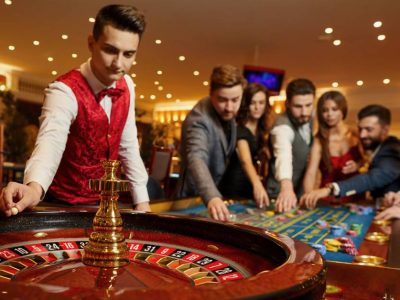
Roulette: Known for its spinning wheel, players bet on numbers, colours, or combinations.
-
Poker: A globally recognised game requiring strategy, psychology, and probability. Variants include Texas Hold’em, Omaha, and Seven-Card Stud.
-
Baccarat: Favoured in Asia and among high rollers, this game involves betting on the player, banker, or tie.
Slot Machines
Slot machines remain the most popular choice for many casino visitors. They are simple to play, visually engaging, and offer significant jackpots. Modern digital slots incorporate themes from films, history, and pop culture, enhancing the entertainment factor.
Specialty Games
-
Craps: A fast-paced dice game known for its lively atmosphere.
-
Keno: Similar to a lottery, where players pick numbers in the hope they are drawn.
-
Wheel of Fortune-style games: These combine traditional mechanics with show-style excitement.
The Psychology of Casino Design
Casinos are not randomly arranged; they are carefully designed to maximise engagement and enjoyment. Elements such as lighting, music, and layout influence player behaviour.
-
No clocks or windows: Encourages players to lose track of time.
-
Colour schemes: Warm colours such as red and gold create feelings of excitement and luxury.
-
Sound effects: The chime of a jackpot reinforces the thrill of winning.
-
Labyrinth layouts: Paths are designed to expose players to as many games as possible.
Understanding these techniques allows players to remain aware of how environment shapes their choices.
Strategies for Playing in Casinos
While chance plays a major role, adopting the right strategies can improve outcomes and enjoyment.
Money Management
-
Set a clear budget before entering the casino.
-
Avoid chasing losses, which often leads to greater risk.
-
Use smaller bets to extend playtime and entertainment value.
Game Selection
-
Choose games with lower house edges, such as blackjack or baccarat.
-
Learn basic strategies for blackjack or poker to enhance decision-making.
-
Play free versions online before betting real money in a physical casino.
Psychological Preparedness
-
Accept that the casino has an advantage in the long run.
-
Focus on entertainment rather than profit.
-
Take regular breaks to maintain perspective.
Casinos as Entertainment Hubs
Modern casinos are not only about gambling. They are entertainment complexes that combine multiple attractions under one roof.
-
Concerts and performances: World-renowned artists often perform in casino theatres.
-
Fine dining: Michelin-starred restaurants and celebrity chefs feature prominently.
-
Luxury accommodation: Many casinos are part of high-end resorts with spas, pools, and golf courses.
-
Shopping: Designer boutiques and exclusive brands attract non-gamblers as well.
This diversification ensures casinos appeal to a wider audience and maintain relevance in competitive hospitality markets.
The Role of Technology in Casinos
The casino industry has embraced technology to create innovative experiences.
-
Online casinos: Allow players to enjoy games from home or on mobile devices.
-
Live dealer games: Combine digital convenience with human interaction.
-
Virtual reality casinos: Immersive environments where players explore digital gaming floors.
-
Cashless systems: Digital wallets and contactless payments increase security and convenience.
Technology has also enhanced security, with facial recognition and advanced surveillance ensuring fair play and safety.
The Economic and Cultural Impact of Casinos
Casinos contribute significantly to local and national economies. They generate revenue through tourism, create jobs, and often fund public infrastructure projects. In many regions, casinos serve as cultural icons, representing local traditions and attracting global attention.
At the same time, concerns about problem gambling have led to increased regulation and emphasis on responsible gaming practices. Educational campaigns, self-exclusion programmes, and player support services highlight the industry’s responsibility towards its patrons.
FAQs about Casinos
Are casinos only about gambling?
No, casinos have evolved into entertainment resorts featuring concerts, fine dining, hotels, and shopping. Many people visit casinos without playing any games.
What is the safest casino game for beginners?
Blackjack is often recommended because it combines simplicity with relatively low house edge. Learning basic strategy can make it even more beginner-friendly.
Can players consistently make money at casinos?
Casinos are designed to have a mathematical edge. While players can win in the short term, consistent profits are unlikely. Approaching the experience as entertainment is the healthiest mindset.
How do casinos promote responsible gambling?
Casinos implement tools such as self-exclusion programmes, betting limits, and awareness campaigns. Staff are often trained to identify problematic behaviour and direct players towards help services.
Why are slot machines so popular?
Slot machines are easy to play, require no skill, and offer large potential payouts. The themes, visuals, and sounds add to their universal appeal.
Do online casinos offer the same experience as land-based casinos?
Online casinos provide convenience and variety but lack the social atmosphere of physical venues. Some bridge the gap with live dealer games and interactive features.