 By
By Among U.S. states, Connecticut offers one of the most interesting license plate histories because of its early adoption of registration systems, distinctive color combinations, and strong collector community.
While many people notice plates only as a vehicle identifier, collectors study them for design shifts, numbering patterns, and materials that reflect technological and regulatory changes. Connecticut’s long tradition of vehicle registration, dating back to the early 20th century, provides a rich field for enthusiasts.
A ShopLicensePlates based specialist notes that collectors often begin by focusing on a single state because it makes the history easier to understand. According to the specialist, “Many enthusiasts start researching Connecticut license plates because the state has a well-documented progression of colors, materials, and numbering systems that make it easier to identify authentic vintage pieces.” The advice emphasizes studying manufacturing years and registration formats before purchasing older plates, especially when evaluating rare early issues.
Collectors often summarize the hobby with a simple idea: every plate tells a story. In Connecticut’s case, those stories involve manufacturing innovations, wartime shortages, evolving vehicle populations, and subtle design decisions that now help historians date a plate within seconds.
Understanding vintage plates also helps explain why some examples are common while others command significant attention at collector shows. Below are seven insights experienced collectors often share when discussing older Connecticut plates.
Early Connecticut Plates Reveal the Origins of State Vehicle Registration
Connecticut was among the earliest states to regulate automobile registration. In 1901 the state began issuing official license plates, making it one of the pioneers of vehicle identification in the United States. At the time, automobiles were still relatively rare, but lawmakers quickly recognized the need for consistent registration and identification.
The earliest plates were simple in construction. They typically consisted of porcelain-coated steel with raised characters, a style common in the early 1900s. The design often featured a dark background with contrasting numbers, making the plate readable from a distance. Because manufacturing technology was limited compared to modern production, these plates have a heavier feel and distinctive enamel finish that collectors immediately recognize.
Collectors often note that early plate numbering systems reflected the small number of registered vehicles. Low numbers were common, and sometimes the numbering sequence simply followed the order of registration. This means some surviving plates carry extremely low numbers, which adds interest for collectors who enjoy tracing ownership patterns from early automotive history.
One factor that makes early Connecticut plates appealing is durability. Porcelain enamel, although expensive to produce, proved resistant to weather and corrosion. As a result, many plates from the 1910s and early 1920s have survived in relatively good condition compared with plates from later decades made of painted steel.
Collectors studying these early examples often pay close attention to small details such as bolt hole placement, character font, and enamel texture. These elements help identify reproductions and confirm authenticity. Because Connecticut was producing plates during a period when manufacturing standards were still evolving, subtle variations can appear even within the same year.
For historians, these early plates represent a time when automobile culture was still developing. Roads were improving, vehicle ownership was expanding, and states were learning how to regulate traffic. The plates themselves are physical evidence of that transition.
Color Changes Tell the Story of Design Trends
One of the most noticeable aspects of vintage Connecticut plates is the frequent change in color schemes. Many states experimented with annual color changes, partly to help law enforcement quickly identify current registrations. Connecticut followed this pattern, creating a visual timeline that collectors find fascinating.
In several decades, the state alternated between light and dark backgrounds, sometimes reversing the color combination from the previous year. For example, a plate might feature dark numbers on a light background one year and then switch to light numbers on a darker background the next. This simple strategy made it easier for police officers to identify expired plates at a glance.
Collectors appreciate these color variations because they create recognizable eras. Plates from the 1930s often look dramatically different from those issued in the 1950s or 1970s. Each decade reflects broader design trends in typography and industrial paint techniques.
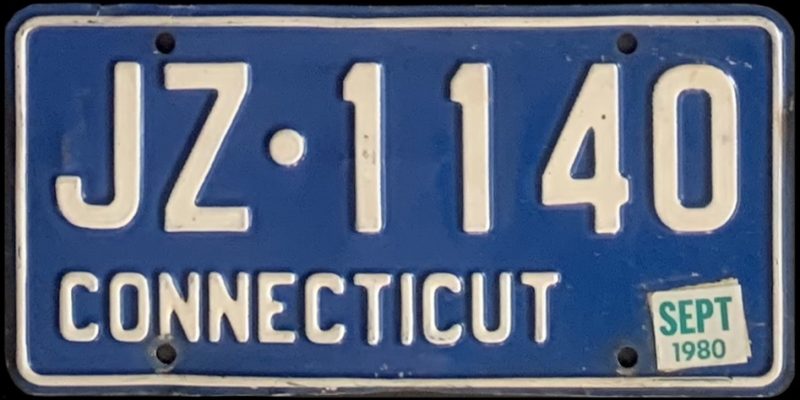
Certain color combinations have become particularly popular among collectors. Deep blues paired with white lettering, bold yellows with black characters, and muted greens from mid-century production are frequently mentioned as favorites. These combinations were chosen partly for readability but also influenced by available industrial paint technologies at the time.
Another factor affecting color was standardization. During certain periods, especially after World War II, states began coordinating plate sizes and mounting hole locations. Although the color schemes remained unique to each state, the basic dimensions gradually became standardized across the country.
Collectors sometimes build entire displays organized purely by color progression. By lining up plates from different years, they create a visual timeline showing how Connecticut’s design preferences evolved over decades.
This color history is one reason vintage plates attract interest even from people who are not dedicated collectors. When displayed on a wall or in a garage, the plates become a visual representation of American automotive history.
Wartime Shortages Led to Creative Manufacturing Solutions
One of the most interesting chapters in Connecticut’s plate history occurred during World War II. Like many states, Connecticut faced shortages of steel and other metals because industrial production shifted toward military equipment.
To conserve materials, some states experimented with alternative solutions such as using fiberboard or revalidating existing plates with small metal tabs. Connecticut adopted similar strategies, allowing the state to continue vehicle registration without using large quantities of new steel.
Collectors often highlight this period as an example of how external events influence license plate design. Plates produced during wartime can look noticeably different from those issued just a few years earlier. They may have thinner metal, simplified embossing, or additional renewal tabs attached to the plate.
The use of tabs and inserts became particularly important. Instead of issuing an entirely new plate each year, the state could issue a small metal marker indicating the updated registration year. This saved resources while maintaining an identifiable plate system.
Today these wartime plates are often considered historically significant. They represent a moment when everyday objects were shaped by global events. For collectors, finding a complete plate with the correct wartime tab can be especially satisfying because many of these small markers were lost or removed over time.
The wartime period also demonstrates the adaptability of state registration systems. Connecticut, like other states, had to balance administrative efficiency with material limitations. The resulting plates may appear simple compared with earlier enamel designs, but they reflect a period of intense industrial pressure.
For collectors who enjoy historical context, these plates provide a direct connection to the broader story of American manufacturing during the 1940s.
Numbering Systems Reveal Clues About Vehicle Growth
Another aspect that fascinates collectors is the numbering system used on vintage plates. Connecticut’s numbering patterns evolved as the number of registered vehicles increased dramatically throughout the twentieth century.
In the earliest years, numbers were relatively short because the total number of vehicles was small. As automobile ownership expanded, the state introduced longer sequences and eventually added letter prefixes to increase the number of possible combinations.
Collectors often study these sequences carefully because they can reveal approximate production volumes for a given year. A plate with a high number indicates that many vehicles were registered during that period, reflecting population growth and rising automobile ownership.
The introduction of letter-number combinations also helped differentiate vehicle types. Certain prefixes or formats might indicate passenger vehicles, commercial trucks, or specialty registrations. Over time, these patterns became more complex as the vehicle population diversified.
For enthusiasts studying Connecticut license plates, these numbering shifts provide valuable insight into how transportation expanded within the state. The growth of suburban areas, increased commuting, and improved highway infrastructure all contributed to rising vehicle registrations.
Collectors sometimes search for specific numbering patterns, such as low-digit plates or unusual letter combinations. Low numbers, in particular, have historically been associated with prestige or early registration. Some states even allowed prominent residents to reserve certain numbers, adding another layer of historical intrigue.
Because numbering formats changed multiple times across the decades, experienced collectors often rely on reference guides or state archives to confirm a plate’s correct year. Small differences in font style or spacing can indicate a different issue year even when the numbering appears similar.
Manufacturing Details Separate Common Plates from Rare Ones
Many vintage plates appear similar at first glance, but collectors know that subtle manufacturing details can dramatically affect rarity and value. These details include metal thickness, embossing depth, paint application, and the style of lettering.
Early Connecticut plates often feature deeply embossed characters, which create strong shadows and make the numbers easy to read. Later plates sometimes used shallower stamping techniques as manufacturing processes changed. These variations help experts identify production periods.
Another important detail is the type of paint used. Earlier plates often used enamel coatings that produced a glossy, glass-like finish. Later plates shifted to different industrial paints that were easier to apply in large quantities but sometimes faded more quickly.
Collectors also pay attention to small manufacturing marks. Some plates contain tiny indicators of the factory or stamping equipment used. These details may seem insignificant to casual observers, but they can help specialists verify authenticity.
Condition is another critical factor. Plates that retain their original paint and show minimal rust or bending are highly desirable. Because license plates were exposed to weather, road debris, and vehicle vibrations, many older examples show significant wear.
When evaluating vintage plates, collectors often look for signs of restoration. Repainted plates can appear attractive but may lose historical authenticity. Experienced enthusiasts generally prefer plates with original finishes, even if they show moderate aging.
These manufacturing details help explain why some plates are common while others attract significant attention at collector shows or auctions. The difference between a standard example and a rare variant may come down to a small production detail visible only to trained eyes.
Why Connecticut Plates Remain Popular with Collectors
Despite the wide range of collectible plates across the United States, Connecticut continues to hold a strong position in the hobby. Several factors contribute to this enduring interest.
First, the state’s long registration history provides more than a century of designs for collectors to study. Few states have maintained such a continuous and well-documented sequence of plate issues dating back to the early days of automobiles.
Second, Connecticut’s plate designs balance simplicity and variety. The plates are visually distinct enough to identify by decade, yet consistent enough to show a clear evolution. This makes them appealing for collectors who enjoy building chronological sets.
Third, the state has an active community of license plate enthusiasts. Collector clubs, swap meets, and online forums frequently include discussions about Connecticut plates. These communities help new collectors learn about identifying authentic pieces and avoiding reproductions.
Another reason for continued popularity is the connection between license plates and automotive nostalgia. Vintage cars often look more authentic when paired with plates from the correct era. Because Connecticut issued plates with distinctive colors and fonts, they complement classic vehicles particularly well.
Collectors also appreciate that many vintage plates remain accessible. While some rare early examples can be difficult to find, plates from mid-century decades appear regularly at collector events. This allows beginners to start building a collection without needing extremely rare pieces.
Ultimately, the appeal of vintage plates lies in the intersection of design, history, and personal interest. A simple metal plate that once served a practical purpose can now represent a specific year in American transportation history.
For collectors, studying these objects becomes a way of preserving small but meaningful pieces of the past. Connecticut’s plates, with their distinctive colors, evolving numbering systems, and wartime adaptations, offer a particularly rich field for exploration. Over time, these pieces of stamped metal have become artifacts that document the growth of automobiles and the changing identity of the state itself.