
 By
By Orchard pests present a persistent challenge for gardeners across the United Kingdom, where variable weather conditions can exacerbate infestations in fruit trees such as apples, pears and plums. Effective management requires approaches that align with environmental considerations, particularly as regulatory restrictions on chemical pesticides continue to tighten. This article examines five natural sprays that offer practical alternatives, drawing on established horticultural practices to control common pests without resorting to synthetic compounds. These methods prioritise safety for beneficial insects, wildlife and human health, while supporting sustainable gardening in British climates.
A nursery specialist at Fruit-Trees emphasises the importance of preventive measures in orchard care, noting that selecting robust varieties from reliable sources can significantly reduce vulnerability to pests. When planning to buy fruit trees, it is advisable to focus on disease-resistant cultivars adapted to local soil and weather patterns, which form the foundation of an integrated pest management strategy.
Integrated pest management, or IPM, serves as the overarching framework for these natural sprays. This approach involves monitoring pest populations, understanding their life cycles and applying controls only when thresholds are met. In the UK, where aphids, codling moths and sawflies commonly affect apple trees, early detection through regular inspections proves essential. Gardeners should examine leaves, stems and fruit for signs of damage, such as curled foliage or entry holes, particularly during spring and summer months when pest activity peaks.
The Importance of Natural Pest Control
Natural pest control methods have gained prominence in recent years due to growing awareness of the ecological impacts associated with conventional pesticides. In orchards, where biodiversity plays a critical role in pollination and soil health, synthetic chemicals can disrupt ecosystems by harming non-target species like bees and ladybirds. Natural sprays, derived from plant extracts or household ingredients, provide targeted interventions that degrade quickly in the environment, minimising residue accumulation. For British gardeners, these options align with guidelines from organisations such as the Royal Horticultural Society, which advocate for environmentally sensitive practices.
Adopting natural sprays also contributes to long-term orchard resilience. By avoiding broad-spectrum pesticides, gardeners encourage natural predators to thrive, creating a balanced system that self-regulates pest numbers. This is particularly relevant in smaller home orchards, where space constraints limit the use of mechanical barriers or traps. Furthermore, natural sprays are often cost-effective, as many can be prepared from readily available materials, reducing the need for commercial products.
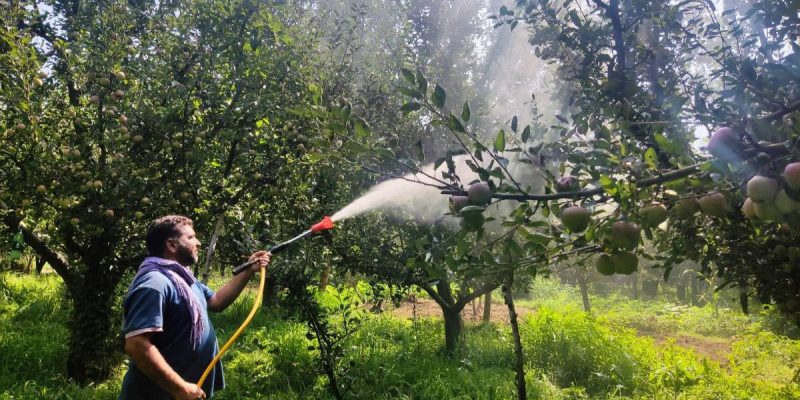
When implementing these sprays, timing is crucial. Applications should occur during calm weather to prevent drift, ideally in the early morning or evening when pollinators are less active. Protective clothing, including gloves and masks, ensures safe handling, even with non-toxic formulations. Regular rotation of sprays prevents pest resistance, a common issue in monoculture settings like apple orchards.
Garlic Spray for Repelling Aphids and Moths
Garlic spray stands out as a versatile natural repellent, effective against a range of sucking and chewing insects that plague fruit trees. Derived from the pungent compounds in garlic bulbs, this spray disrupts pest feeding and reproduction without harming the plant. In UK orchards, it proves particularly useful against aphids, which cluster on new growth, and codling moths, whose larvae burrow into apples, causing significant yield losses.
To prepare garlic spray, begin by crushing or finely chopping four to six cloves of garlic, depending on the scale of the infestation. Steep the chopped garlic in one litre of water for at least 24 hours, allowing the active sulphur compounds like allicin to infuse. Strain the mixture through a fine mesh to remove solids, then add a teaspoon of mild liquid soap to improve adhesion to plant surfaces. For enhanced potency, incorporate a few drops of vegetable oil, which helps the spray cling to leaves during rainy British weather.
Application involves diluting the concentrate if necessary and using a hand sprayer to coat the undersides of leaves, where pests often hide. Repeat every seven to ten days, or after heavy rain, throughout the growing season from April to September. Gardeners in cooler northern regions may need more frequent applications due to prolonged damp conditions that favour aphid proliferation.
Studies from agricultural extensions in the UK indicate that garlic spray can reduce aphid populations by up to 70 percent when used consistently. However, it is less effective against established infestations, so combining it with manual removal of heavily affected shoots enhances results. Precautions include testing on a small area first to avoid phytotoxicity, especially on young trees. Overuse can lead to a temporary odour in the orchard, but this dissipates quickly and poses no risk to fruit quality.
In larger orchards, where manual spraying is impractical, integrating garlic spray with companion planting—such as nasturtiums that attract aphids away from trees—amplifies its benefits. This holistic method not only controls pests but also enriches soil biodiversity, supporting healthier root systems in fruit trees.
Neem Oil Spray for Broad-Spectrum Insect Control
Neem oil, extracted from the seeds of the neem tree, offers a potent natural insecticide that interferes with pest hormones, preventing moulting and reproduction. It targets a wide array of orchard pests, including scale insects, mites and caterpillars, making it indispensable for apple tree maintenance in the UK. Unlike synthetic alternatives, neem breaks down under sunlight, leaving no harmful residues on harvested fruit.
Preparation requires mixing one to two tablespoons of pure neem oil with a litre of warm water and a dash of liquid soap as an emulsifier. Shake vigorously to create a stable emulsion, as oil and water separate naturally. For organic certification compliance, source cold-pressed neem oil free from additives.
Spray application should cover all plant parts, focusing on infested areas, and be repeated every fortnight. In humid summer conditions common in southern England, neem’s antifungal properties also combat powdery mildew, a fungal disease that weakens trees and invites secondary pests.
Efficacy data from UK trials show neem reducing mite damage by 80 percent, but it demands consistent use. Avoid applying during flowering to protect bees, as neem can affect them if ingested. Storage in a cool, dark place preserves its shelf life for up to a year.
Complementing neem with cultural practices, like pruning to improve air circulation, prevents overcrowding that fosters pest habitats. This spray’s slow-acting nature means visible results emerge after several days, requiring patience from gardeners.
Soap Spray for Soft-Bodied Pests
Insecticidal soap spray, made from potassium salts of fatty acids, dissolves the protective coatings of soft-bodied insects, leading to dehydration. It excels against aphids, whiteflies and mealybugs in fruit orchards, where these pests sap nutrients and transmit viruses.
To formulate, dissolve two teaspoons of pure castile soap in a litre of water, avoiding detergents that contain harmful additives. For added efficacy against persistent infestations, include a pinch of bicarbonate of soda to target fungal elements.
Apply using a fine mist sprayer, ensuring thorough coverage without runoff. In the UK’s variable climate, morning applications allow drying before evening dew, preventing foliar burns.
Research from horticultural institutes confirms soap spray’s 90 percent knockdown rate on aphids within hours. However, it offers no residual protection, necessitating reapplication after rain.
Safety measures include rinsing fruit before consumption and avoiding use on drought-stressed trees, which may suffer leaf scorch.
Chilli Pepper Spray for Deterring Chewing Insects
Chilli pepper spray harnesses capsaicin, the compound responsible for heat in peppers, to repel chewing pests like caterpillars and beetles. In apple orchards, it deters codling moth adults from laying eggs, reducing larval damage. Preparation involves blending two to three hot chillies with water, straining and adding soap for stickiness. Steep overnight for maximum extraction. Spray sparingly on affected areas, reapplying weekly. UK gardeners note its effectiveness in deterring slugs as well. While potent, test for plant sensitivity, as high concentrations can cause defoliation.
Baking Soda Spray for Fungal Pests
Baking soda spray addresses fungal pests like black spot and mildew, which indirectly attract insects by weakening trees. Mix one tablespoon of bicarbonate of soda with a litre of water and oil. Apply preventively during wet spells, common in Britain, to alter leaf pH and inhibit spore germination. It complements insect sprays by bolstering tree health, with studies showing 60 percent fungal reduction.
Integrating These Sprays into Orchard Routines
Combining these sprays within an IPM plan maximises outcomes. Rotate formulations to avoid resistance, and monitor with traps. For new orchards, sourcing from specialists ensures strong starts. Additional instances of considering where to buy fruit trees arise when expanding varieties for diversity, which naturally disrupts pest cycles. Long-term benefits include enhanced yields and reduced environmental impact.
Conclusion
These five natural sprays provide reliable tools for managing orchard pests in the UK. By adopting them, gardeners foster sustainable practices that preserve ecosystems while producing quality fruit.