 By
By When planning an irrigation setup for your garden, one of the key decisions you’ll face is choosing between spray and rotor sprinkler heads. While they may look similar at a glance, these two systems perform quite differently. Understanding how each one works—and which is better suited to your garden’s layout—can help you water more efficiently and avoid common issues such as overwatering or patchy coverage.
Your garden’s shape, soil type, and planting style all play a role in determining which option is best. Choosing the right sprinkler head not only improves plant health but can also help you make better use of your water and reduce waste.
How the Two Systems Work
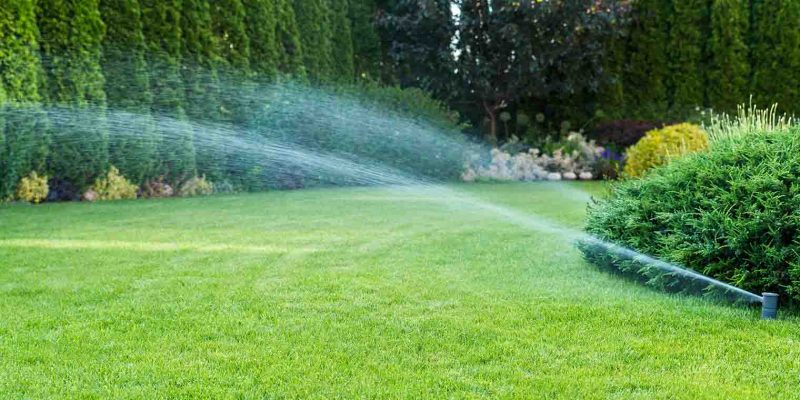
Spray sprinkler heads emit a fixed fan-shaped spray pattern. They are designed for smaller, flatter areas and work best when spaced relatively close together. These heads deliver water quickly and evenly, making them a good fit for compact beds or lawns with complex curves.
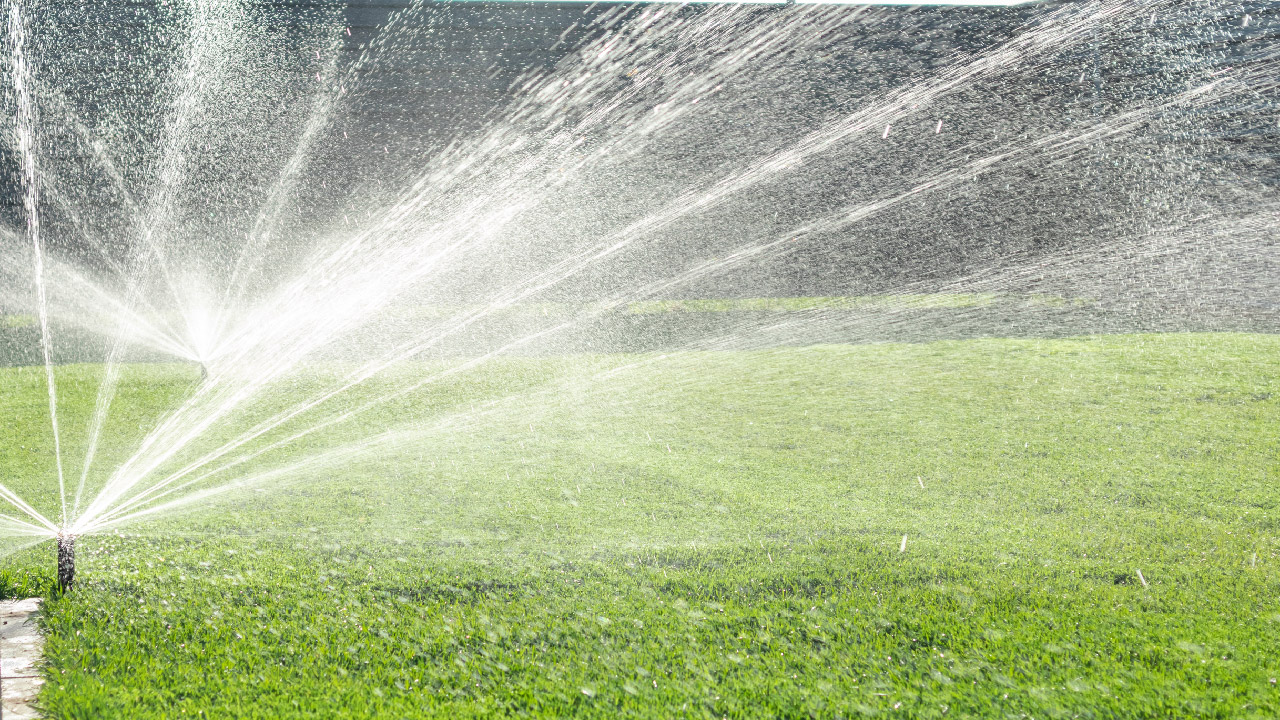
Rotor sprinkler heads, on the other hand, rotate as they distribute water. This motion allows them to cover larger areas more gradually and at a slower precipitation rate. They are commonly used in wider lawns or gardens with more open space, where fewer sprinkler heads are needed to cover a large zone.
For homeowners looking into a garden sprinkler system, understanding these basic differences is essential before committing to a design or installation.
Pros and Cons of Spray Sprinkler Heads
Pros:
- Even Distribution in Small Areas: Spray heads are great for narrow beds and borders, where water needs to be applied quickly and uniformly.
- Simple to Set Up: Their fixed spray pattern is straightforward to design around, especially in geometric or well-defined spaces.
- Low Cost: Spray heads are generally less expensive and readily available.
Cons:
- Higher Water Output: They apply water quickly, which can lead to runoff in clay soils or on sloped ground.
- Less Efficient in Wind: Fine droplets are more likely to be blown off course in breezy conditions, reducing accuracy and increasing waste.
- Frequent Adjustments Needed: Because of their reach limitations, more heads may be required for complete coverage.
Pros and Cons of Rotor Sprinkler Heads
Pros:
- Ideal for Larger Areas: Their rotating stream and longer throw make them perfect for wide lawns or spacious garden zones.
- Lower Precipitation Rate: Water is delivered more slowly, which allows for better soil absorption and reduces runoff risks.
- More Uniform Coverage in Open Spaces: Rotor heads can be spaced further apart without compromising effectiveness.
Cons:
- Longer Run Time Required: Because they water more slowly, they may need to run longer to achieve the same moisture levels as spray heads.
- Higher Pressure Needed: Rotor systems require a minimum pressure to function properly, which may not be suitable for all setups.
- More Complex Installation: Planning requires greater precision in spacing and overlap to avoid dry patches.
Choosing the Right Option for Your Garden
There’s no one-size-fits-all answer, it depends entirely on your specific garden layout. Spray heads may suit smaller spaces with many planting beds or curved pathways, while rotors are better suited to rectangular lawns or gardens with fewer obstructions.
In some cases, a combination of both systems (a hybrid layout) might be the best solution. For instance, rotors can be used for open lawn areas, while sprays handle the more detailed edging and corners. Just be careful not to mix the two types within the same zone, as their watering rates differ significantly and can lead to overwatering or underwatering if not managed properly.
By choosing sprinkler heads that match your garden’s shape, soil, and size, you’ll create a more efficient and reliable irrigation system that supports healthy, consistent plant growth.