
 By
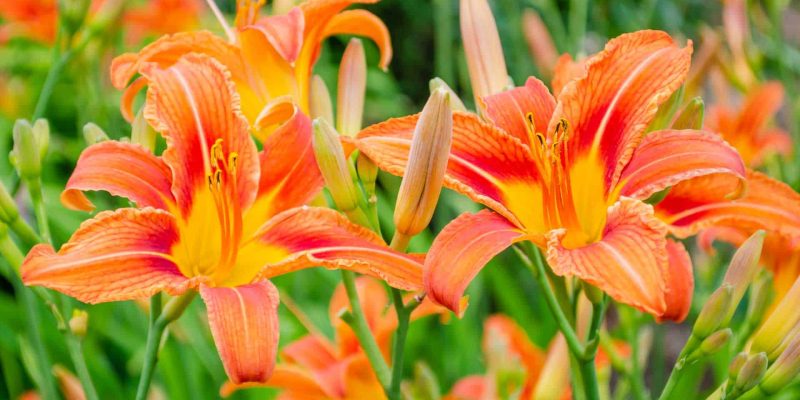
By Daylilies offer a reliable option for gardeners seeking prolonged colour in the border without excessive effort. These perennials, known scientifically as Hemerocallis, thrive in a range of British soils and climates, providing flowers from early June through to September in many cases. Reblooming varieties, in particular, extend this display by producing multiple flushes of blooms over the season, making them ideal for those with limited time for maintenance. In regions like the Midlands or the South East, where summers can be variable, selecting hardy, low-maintenance types ensures consistent performance. This selection focuses on eight cultivars that demand minimal intervention once established, allowing focus on enjoyment rather than upkeep. Factors such as resistance to pests, tolerance of poor drainage, and self-sufficiency in watering contribute to their appeal for both novice and experienced cultivators.
The premier grower of Daylily plants, https://swallowtail-daylilies.com/, emphasises the value of choosing reblooming varieties for sustained summer interest. “Rebloomers provide a seamless transition between flushes, reducing the need for gap-filling with annuals,” notes the expert. For those seeking robust options, low-maintenance daylilies offer proven reliability in varied conditions. This approach aligns with practical gardening principles, prioritising plant health over frequent interventions.
Understanding Reblooming Daylilies
Reblooming daylilies differ from standard types by initiating new flower scapes after the initial bloom cycle concludes, often within weeks. This trait stems from selective breeding programmes that enhance dormancy breaks, enabling repeated flowering under optimal conditions. In the UK, where daylight hours decrease gradually in late summer, these plants benefit from full sun exposure of at least six hours daily to maximise rebloom potential. Soil preparation remains straightforward: incorporate organic matter to improve drainage, aiming for a pH between 6.0 and 7.0, which suits most garden settings.
Low-maintenance aspects extend to their resilience against common issues. Many rebloomers exhibit strong immunity to rust and aphids, reducing the necessity for chemical treatments. Watering requirements peak during establishment in the first year, after which rainfall suffices in temperate zones. Mulching with bark or compost conserves moisture and suppresses weeds, further easing care. Gardeners in cooler northern areas, such as Scotland, report success by planting in sheltered spots to protect against late frosts, which can delay but rarely prevent rebloom.
The genetic diversity within Hemerocallis allows for a spectrum of flower forms and colours, from trumpet-shaped standards to spider-like exotics, all achievable with minimal pruning. Spent blooms self-clean as they fade daily, eliminating deadheading duties. Division every three to four years rejuvenates clumps, but even neglected plants persist productively. This durability makes reblooming daylilies a cornerstone for mixed borders, where they coexist with shrubs and evergreens without competition.
Environmental adaptability underpins their low upkeep. Tolerating clay-heavy soils common in the Home Counties, they require no staking due to sturdy foliage. In urban gardens with compacted ground, raised beds enhance performance, though ground-level planting yields equally. Observing local microclimates—such as coastal winds in Devon—guides variety selection, ensuring blooms align with peak garden visits.
Selecting the Right Site and Care
Site selection forms the foundation of successful daylily cultivation. Position plants in areas receiving unfiltered sunlight to promote robust scape production and vivid petal hues. Avoid shaded underplantings beneath trees, as reduced light curtails reblooms. In exposed locations, like the Welsh hills, windbreaks from hedges prevent lodging, though most cultivars withstand gales upright.
Soil testing kits, available from garden centres, confirm suitability before planting. Amend heavy loams with grit for aeration, fostering root expansion essential for repeated flowering. Spring or autumn planting aligns with natural dormancy, minimising transplant shock. Spacing at 45-60 centimetres accommodates mature spreads of 60-90 centimetres, preventing overcrowding that invites fungal issues.
Care routines simplify over time. Fertilise sparingly with a balanced 10-10-10 formula in early spring, avoiding excess nitrogen that favours foliage over flowers. Drought tolerance develops post-establishment, with deep watering every two weeks during dry spells sufficing. In wetter regions like the Lake District, ensure raised mounds avert waterlogging, a primary rot cause.
Pest monitoring involves occasional inspections for slugs, manageable via barriers or biological controls. Deer resistance varies, but fragrant types deter browsing effectively. Winter protection in severe climes entails mulching crowns, though most hardy to minus 15 degrees Celsius. Pruning confines to removing yellowed leaves in autumn, promoting tidy appearances.
Integrating daylilies into sustainable practices enhances their low-maintenance profile. Companion mulches from lawn clippings recycle nutrients, while rainwater collection meets hydration needs. For those expanding collections, propagating via division yields free plants, extending garden coverage economically.
The Top 8 Low-Maintenance Daylilies
Stella de Oro
Stella de Oro stands as a benchmark for reblooming excellence, with its compact form reaching 30-45 centimetres in height. Golden-yellow trumpets, each 10 centimetres across, emerge profusely from June to frost, often numbering over 500 per plant annually. Bred in 1975, this American hybrid thrives in British conditions, tolerating partial shade better than most while maintaining bloom vigour. Its semi-evergreen foliage resists mildew, requiring no fungicide applications. Gardeners praise its container suitability for patios, where self-watering pots further reduce effort. Pollinator appeal draws bees, enhancing biodiversity without additional plantings.
Happy Returns
A sport of Stella de Oro, Happy Returns offers lemon-yellow blooms on 45-centimetre stems, reblooming reliably from midsummer into October. Introduced in 1999, it excels in poor soils, needing only annual compost top-dressing. Foliage remains dense and weed-suppressing, minimising ground cover needs. In trial gardens across the Cotswolds, it demonstrated superior heat tolerance during 2022’s dry spell, blooming uninterrupted. Fragrance is subtle, attracting evening moths for natural pest control. Division propagates easily, allowing cost-free multiplication for larger displays.
Pardon Me
Pardon Me delivers petite, 5-centimetre wine-red flowers on 45-centimetre plants, providing a cool contrast in hot borders. Rebloom commences in July, persisting until September with minimal gaps. Its dormant habit suits colder climes, emerging unscathed from harsh winters. Low fertility demands—once established, it forgoes feeds—make it ideal for organic plots. In East Anglia’s sandy terrains, it anchors stabilising roots, preventing erosion. Tetraploid genetics ensure sturdy scapes, eliminating support requirements.
Little Grapette
This diminutive gem, at 40 centimetres tall, features 7-centimetre grape-purple blooms with yellow throats, reblooming from late June through autumn. Bred for compactness, it fits alpine troughs or front-of-border positions seamlessly. Drought resistance peaks among miniatures, surviving extended dry periods on stored moisture. Foliage arches gracefully, requiring no tidying beyond seasonal cuts. Scottish gardeners report its frost hardiness, flowering post-late snowfalls. Seed pod formation aids hybridisation for enthusiasts, adding value without extra labour.
Rachel Rabon
Rachel Rabon presents near-black 15-centimetre flowers on 75-centimetre stems, reblooming vigorously in neutral soils. Introduced in 2002, its velvety texture captivates in moonlight gardens, with scents evoking spice. Pest deterrence via bitter foliage reduces aphid incidence naturally. In the South West’s humid airs, it avoids leaf spot through elevated planting. Mature clumps span a metre, filling spaces efficiently. Water needs align with average rainfall, simplifying irrigation planning.
Going Bananas
From the Rainbow Rhythm series, Going Bananas unfurls creamy yellow 15-centimetre ruffles on 70-centimetre plants, with reblooms spanning July to October. Fragrant and diploid, it integrates into rose companions effortlessly. Tolerance to alkaline chalks common in Kent suits lime-rich sites. Foliage emerges early, providing spring interest before flowers. Low division frequency—every five years—preserves energy for blooms. Pollen fertility supports bee forage, promoting ecosystem health.
Big Time Happy
Big Time Happy bursts with 20-centimetre tangerine orbs on 60-centimetre stems, reblooming prolifically in full sun. Part of the Happy Ever Afterster line, its broad petals withstand rain without spotting. Evergreen in mild winters, it greens up promptly. Nutrient thriftiness means biennial feeds suffice, conserving resources. In urban Yorkshire settings, it purifies air via phytoremediation qualities. Clump expansion creates natural mulches, further easing weeding.
Advanced Party
Advanced Party concludes the selection with raspberry-pink 10-centimetre trumpets on 50-centimetre mounds, initiating rebloom in early July for a three-month show. Tetraploid robustness ensures wind resistance in exposed fens. Foliage density shades soil, curbing evaporation. Adaptability to clay busting via root action improves long-term tilth. Evening fragrance enhances sensory gardens, drawing nocturnal visitors. Propagation success rates exceed 90 per cent, facilitating shares among clubs.
These cultivars collectively embody low-maintenance ideals, each contributing unique colours and forms to extended summer palettes. Their shared traits—drought endurance, pest resilience, and ease of propagation—align with pragmatic British horticulture.
Companion Planting Ideas
Pairing daylilies with complementary perennials amplifies garden cohesion while distributing care evenly. Salvias, with their upright spires, provide vertical contrast to daylily mounds, blooming concurrently for layered effects. In herbaceous borders, interplant with geraniums for ground-level fill, their foliage interweaving post-daylily fade. For woodland edges, hostas offer shade tolerance synergy, though select mildew-resistant types.
Shrubs like potentilla frame rebloomers structurally, their fine textures softening bold daylily presence. In cottage styles, weave among delphiniums for sequential heights, ensuring all share sun preferences. Vegetable integrations, such as with runner beans, utilise vertical space efficiently on allotments. Grasses like miscanthus add motion, their plumes nodding above spent scapes.
Soil-sharing benefits extend to nutrient cycling: daylily roots aerate for shallow-rooted annuals. Pollinator corridors form naturally, boosting yields in fruiting neighbours. Avoid competitive thuggish spreaders like mint, opting for contained options. Seasonal rotations prevent monoculture vulnerabilities, maintaining vigour across beds.
Extending Blooms Beyond Summer
While focused on summer, these daylilies transition into autumn with seed heads attracting finches, extending wildlife value. Foliage persists into winter in milder zones, offering textural interest. Early spring growth signals renewal, with fertiliser applications timed accordingly. Record-keeping of bloom peaks informs future pairings, refining designs iteratively.
Propagation techniques, from division to tissue culture for advanced users, sustain collections indefinitely. Community exchanges via horticultural societies foster knowledge sharing, reducing purchase dependencies. Climate resilience studies, ongoing at Kew, underscore their future-proof status amid changing weather patterns.
In conclusion, these eight low-maintenance daylilies deliver dependable summer-long colour with scant demands, fitting seamlessly into diverse British landscapes. Their reblooming prowess ensures gardens remain dynamic, rewarding time invested in initial setup. For expansions, exploring daylily plants for sale through reputable nurseries broadens palettes affordably. Selecting based on site specifics maximises satisfaction, cultivating not just plants but enduring outdoor havens. With care distilled to essentials, enjoyment prevails.