 By
By Education is one of the most powerful tools for personal growth and social development. From the early years of schooling to higher education and beyond, learning equips individuals with knowledge, values, and skills that shape their futures. In today’s rapidly evolving world, the importance of education extends far beyond academic achievement, influencing careers, communities, and global progress.
Why Education Matters
Education is not just about passing exams or gaining qualifications. It plays a deeper role in transforming lives by offering opportunities, promoting equality, and encouraging innovation.
When people gain access to quality education, they are empowered to make informed decisions, engage in society meaningfully, and break cycles of poverty. The foundation of a thriving economy, healthy democracy, and innovative culture rests on education.
Moreover, education helps individuals cultivate critical thinking and adaptability, which are essential in an age where technology and industries are constantly changing.
Early Childhood Education
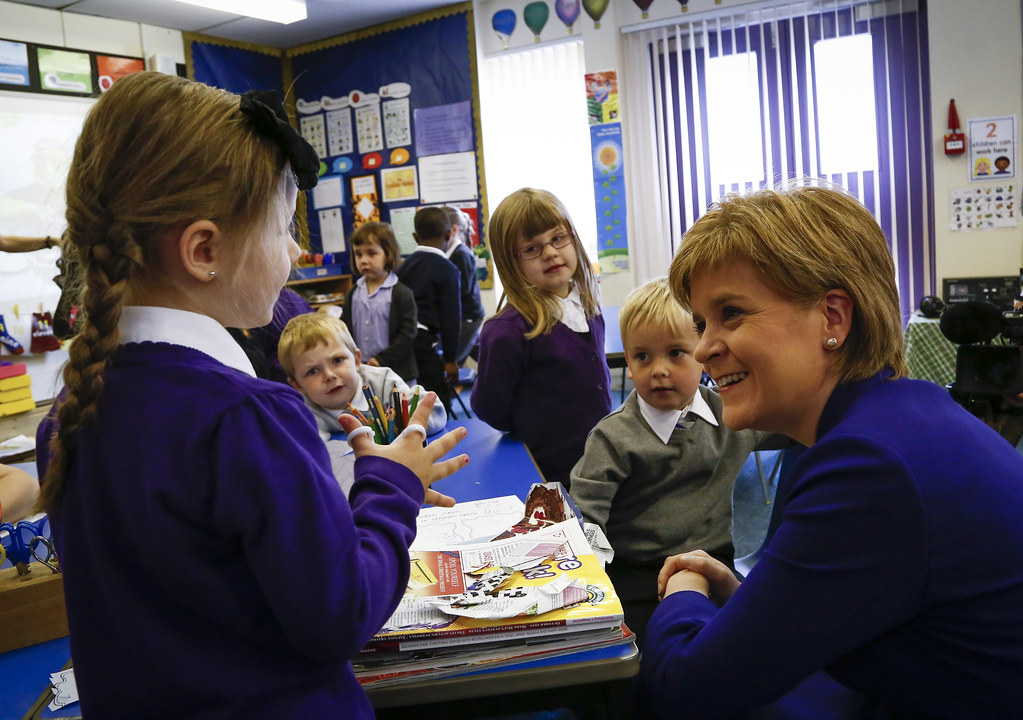
The earliest years of life are critical for cognitive, emotional, and social development. Early childhood education focuses on play-based learning, problem-solving, and communication.
Key benefits include:
-
Cognitive development: Building memory, attention span, and reasoning skills.
-
Social skills: Learning cooperation, empathy, and conflict resolution.
-
Emotional growth: Building self-confidence and resilience.
Studies show that children who receive early education are more likely to succeed academically, socially, and economically later in life.
Primary and Secondary Education
Primary and secondary education provide the foundation of literacy, numeracy, and essential life skills. Beyond academic learning, schools shape identity, instil discipline, and introduce values that form responsible citizens.
Some important aspects include:
-
Core subjects such as mathematics, science, and languages, which develop analytical and communication abilities.
-
Arts and sports, which enhance creativity, teamwork, and physical well-being.
-
Civic education, which teaches responsibility, rights, and the importance of contributing to the community.
Secondary education, in particular, prepares young people for either higher education or entry into the workforce, making it a pivotal stage in life.
Higher Education and Career Development
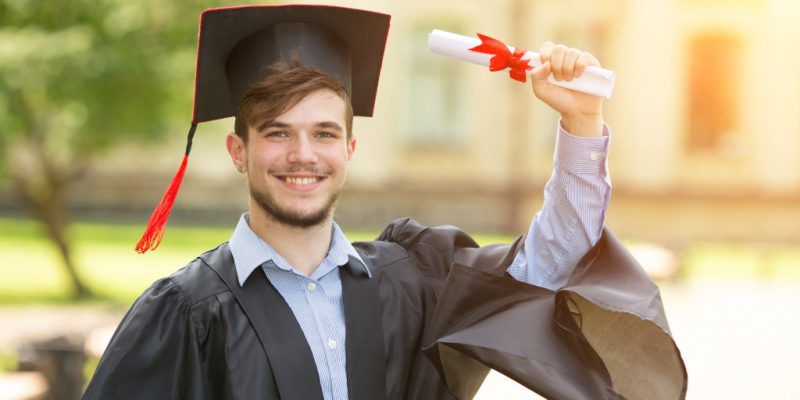
Universities, colleges, and vocational institutions offer pathways to specialised knowledge and professional skills. Higher education also fosters innovation and research, which are vital for solving global challenges such as climate change, healthcare, and technology development.
Benefits of higher education:
-
Employment opportunities: Graduates often have access to better job prospects and higher salaries.
-
Critical thinking: Advanced studies encourage deeper analysis and problem-solving.
-
Global connections: Exposure to diverse cultures and ideas prepares students for international careers.
Vocational education and apprenticeships also play a crucial role, particularly for students who prefer practical skills and industry-specific training.
Education and Social Mobility
One of the strongest impacts of education is its ability to reduce inequality. For many, education serves as a bridge out of poverty, opening doors that would otherwise remain closed.
-
Equal access: Free and fair access to schools helps ensure that children from disadvantaged backgrounds are not left behind.
-
Gender equality: Educating girls has proven to improve health, reduce child marriages, and strengthen communities.
-
Economic growth: A skilled workforce drives innovation and attracts investment, benefiting society as a whole.
Technology in Modern Education
The digital era has revolutionised how we learn. Online platforms, digital classrooms, and artificial intelligence are reshaping traditional education.
Key advantages:
-
Accessibility: Students from remote areas can access quality learning through the internet.
-
Flexibility: Online courses allow individuals to learn at their own pace and schedule.
-
Personalisation: Technology enables adaptive learning that tailors content to individual needs.
However, challenges such as the digital divide highlight the importance of ensuring that technological progress does not widen educational inequalities.
Lifelong Learning and Adult Education
Learning does not stop after formal schooling. Lifelong learning has become essential in adapting to new job markets and personal growth.
Adult education includes:
-
Professional training and certifications
-
Online courses and workshops
-
Community learning initiatives
This continuous pursuit of knowledge enhances skills, boosts confidence, and fosters a culture of innovation and adaptability.
The Future of Education
The future of education is expected to be more inclusive, digital, and skills-oriented. Traditional methods will continue, but there will be a stronger emphasis on creativity, collaboration, and critical thinking.
Trends shaping education include:
-
Hybrid learning models combining online and in-person classes.
-
Global collaboration through international partnerships and exchange programmes.
-
Focus on sustainability by teaching environmental responsibility and green skills.
Educators will play a central role in guiding students not just academically but also emotionally, as mental health and well-being become integral parts of learning.
Frequently Asked Questions
How does education affect personal development?
Education shapes an individual’s confidence, decision-making ability, and resilience. It improves communication skills and prepares people to handle challenges effectively.
Why is education important for economic growth?
A well-educated population provides a skilled workforce that drives innovation, attracts investment, and creates industries that contribute to national development.
What is the difference between vocational and academic education?
Academic education focuses on theoretical knowledge and research, while vocational education emphasises practical skills for specific careers. Both are essential for balanced societal growth.
How has online learning changed traditional education?
Online learning has increased accessibility, flexibility, and personalisation, but it also raises issues of screen fatigue, self-discipline, and digital access.
Can education reduce poverty?
Yes. By providing people with skills and knowledge, education increases job opportunities, raises incomes, and breaks cycles of poverty for future generations.